

My Journey Testing Software Around the World
I’ve spent three years helping startups build better software products. I’ve worked with companies and teams in Asia, Europe, the Middle East, Africa, and North America. In all these places, I saw the same thing happening, software testing was changing fast.
Software testing used to be something we did at the very end. We’d build the software first, then check if it worked. That old way was expensive and slow. Now, testing happens from the very beginning. We check for problems while we build, not after.
Working with startups taught me something important. Every country does things differently. But everywhere I went, teams needed to make better software faster and with less money. The pressure is the same everywhere, but how teams handle it depends on their culture and resources.
The Big Change: Testing Early, Not Late
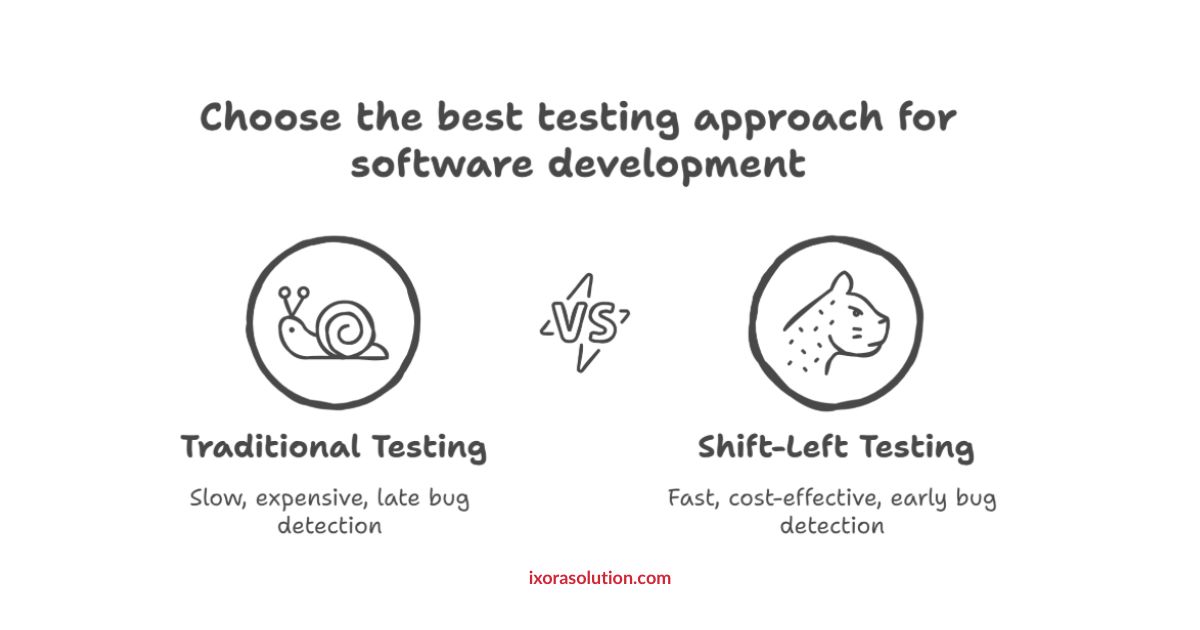
Old Way vs New Way
In the old days, developers wrote code first. Then testers checked it at the end. This was slow and expensive. Bugs found late cost more money to fix.
Now we test early. We call this “shift-left testing.“ This means we start testing when we plan the software, not after we build it. We find problems before they become big issues.
I learned this lesson working with small companies in Africa. They had little money. Finding bugs early saved them time and money. Companies that test early release software 40-60% faster.
Why Early Testing Works Better
When testers join planning meetings, they ask good questions:
- How will users actually use this?
- What could go wrong?
- Is this easy to test?
These questions help teams build better software from the start. Testing becomes everyone’s job, not just the tester’s job.
Here are some real numbers that show why this works better:
- Fixing bugs early costs 100 times less than fixing them after release
- Companies save $2.3 million per year on average when they test early
- Teams finish projects 25-35% faster when they test early
Cloud Testing: Powerful Tools Without Big Costs
Cloud testing means using internet-based tools instead of buying your own equipment. It’s like using Netflix instead of buying DVDs, you get what you need when you need it, without the big upfront cost.
Why This Matters
Before cloud testing, companies had to:
- Buy lots of computers and phones for testing
- Hire people to manage all that equipment
- Pay for electricity and space to keep it running
Now they can:
- Use testing tools over the internet
- Pay only for what they use
- Test on hundreds of different devices without owning them
The Growth Numbers
The cloud testing market is growing from $9.10 billion to $22.3 billion in seven years. This shows how many companies are making this switch.
Small companies in Africa can now test their apps the same way big companies do, without buying expensive equipment.
European companies focus on cloud providers that keep data within Europe to follow privacy laws.
Asian companies uses cloud testing mainly to handle millions of users at once
Making Testing Simple for Everyone
No-Code Testing Tools
New tools let people create tests without being programmers. These tools use simple drag-and-drop interfaces, like building with digital Lego blocks.
In 2024, script less test automation became popular, letting anyone help with testing regardless of programming skills. New tools let people create tests without writing code. They use pictures and drag-and-drop instead.
Now product managers, customer service people, and business people can create tests. They know how the software should work, so they can test it themselves.
I saw this work great in small companies. The QA experts design the testing system. Then other people use simple tools to add more tests. Everyone helps with quality.
Companies report 30% lower testing costs when they use these tools. That’s because more people can help with testing, and less time is spent on maintenance.
Tests Write Themselves
The newest tools watch how real users use software. Then they create tests that copy what users actually do. This finds problems that testers might miss because they test differently than real users.
These auto-generated tests often find strange bugs that happen when users do unexpected things.

Testing All the Time
Quality as Code
Modern teams treat quality rules like software code. They:
- Save quality standards in files
- Review quality changes like code changes
- Track who changed what quality rules
This makes quality consistent across different teams and time zones.
Testing in Production
“Shift-right testing” means we also test software after users start using it. We watch:
- How real users behave
- What errors happen in real life
- How fast software really runs
This helps us improve software based on real data, not just test data.
Testing for Everyone: Accessibility and User Experience
Europe: All websites must meet accessibility standards by June 2025
United States: Government websites must be accessible by April 2026
This isn’t just about being nice, it’s now required by law in many places.
What Accessibility Testing Looks Like
- Can someone navigate your website using only a keyboard?
- Do your images have descriptions for people who can’t see them?
- Are your colors easy to tell apart?
- Is your text easy to read?
When you make software accessible. you make it better for everyone. Plus, you avoid lawsuits and reach more customers.
Challenges Teams Face in Different Parts of the World
Every region has its own challenges:
- Good: Lots of technical people, fast-moving culture
- Challenge: Hard to find experienced testers, pressure to move too fast
- Good: High-quality work, good processes
- Challenge: Lots of regulations to follow, slower to try new things
- Good: Lots of tools and money for testing
- Challenge: Complex systems, high expectations for perfection
Middle East and Africa
Jobs in software testing will grow 22% faster than average jobs between 2020 and 2030. This means lots of opportunities for people who want to get into this field. But 63% of recruiters say it’s hard to find good test automation people. This is true everywhere, not just in one country.
What Makes Teams Successful
After working with teams around the world, I’ve seen what works:
Start Testing Early
The best teams start planning their tests when they start planning their software, not after.
Use Cloud Tools
Don’t buy equipment if you don’t have to. Use internet-based tools that grow with your needs.
Get Everyone Involved
Testing shouldn’t be just the testing team’s job. Developers, designers, and even business people should help.
Keep Learning
Technology changes fast. The best teams spend time learning new tools and techniques.
Measure Everything
You can’t improve what you don’t measure. Track things like:
- How many bugs you find
- How long it takes to fix them
- How happy your customers are
- How fast you can release new features

Simple Steps to Get Started
If you’re new to modern testing, here’s how to begin:
Step 1: Start Small
Pick one simple thing to test automatically. Maybe it’s checking if your login page works.
Step 2: Use Free Tools
Many excellent testing tools are free. Start with those before buying expensive software.
Step 3: Test Early
Don’t wait until the end. Test each piece as you build it.
Step 4: Get Training
Invest in learning. Online courses, books, and videos can teach you new skills.
Step 5: Measure Progress
Keep track of how you’re doing. Are you finding fewer bugs? Are users happier? Use these numbers to show your progress.
What’s Coming Next
Based on what I’ve seen around the world, here’s what I think will happen:
More AI: Computers will get better at writing and running tests automatically.
Better Tools: Testing tools will become easier to use, so more people can help with testing.
Stricter Rules: More countries will require accessibility testing and data protection.
Speed Focus: Teams will need to test faster while still being thorough.
Global Standards: We’ll see more shared practices across different countries, but local adaptation will remain important.
My Suggestions
Here’s what I tell every team I work with:
Focus on Users: Don’t test just to check boxes. Test because you want to make users happy.
If you’re curious about how Japanese culture subtly shapes UI/UX design and testing practices, this article is a must-read. Packed with insights, it reveals cultural nuances that influence user behavior and I promise, you’ll find it both fascinating and highly relevant.
Start Simple: You don’t need perfect processes from day one. Start with the basics and improve over time.
Learn from Others: Every region does something well. Asian speed, European thoroughness, American scale, and emerging market creativity all have value.
Invest in People: Tools are important, but skilled people are more important. Train your team.
Stay Curious: Technology changes fast. The teams that keep learning are the ones that succeed.
Conclusion: Quality Wins
The future of software testing is bright. We have better tools, smarter processes, and growing awareness of how important quality is. Whether you’re in a big company or a small startup, in Silicon Valley or Lagos, the same principles apply: test early, test often, and always keep your users in mind.
The changes happening now aren’t just technical improvements. They’re making it possible for small teams to build software as good as what big companies make. That’s exciting for everyone who cares about making great software.
If you are interested to know about the importance of QA in this age of AI, feel free to go through this article: SQA Solution in the age of AI
Experience the iXora Solution difference as your trusted offshore software development partner. We’re here to empower your vision with dedicated, extended, and remote software development teams. Our agile processes and tailored software development services optimize your projects, ensuring efficiency and success. At iXora Solution, we thrive in a dynamic team culture and experience innovation in the field of custom-made software development.
Have specific project requirements? Personalized or customized software solutions! You can contact iXora Solution expert teams for any consultation or coordination from here. We are committed to maximizing your business growth with our expertise as a custom software development and offshore solutions provider. Let’s make your goals a reality.
Thanks for your patience!

Add a Comment